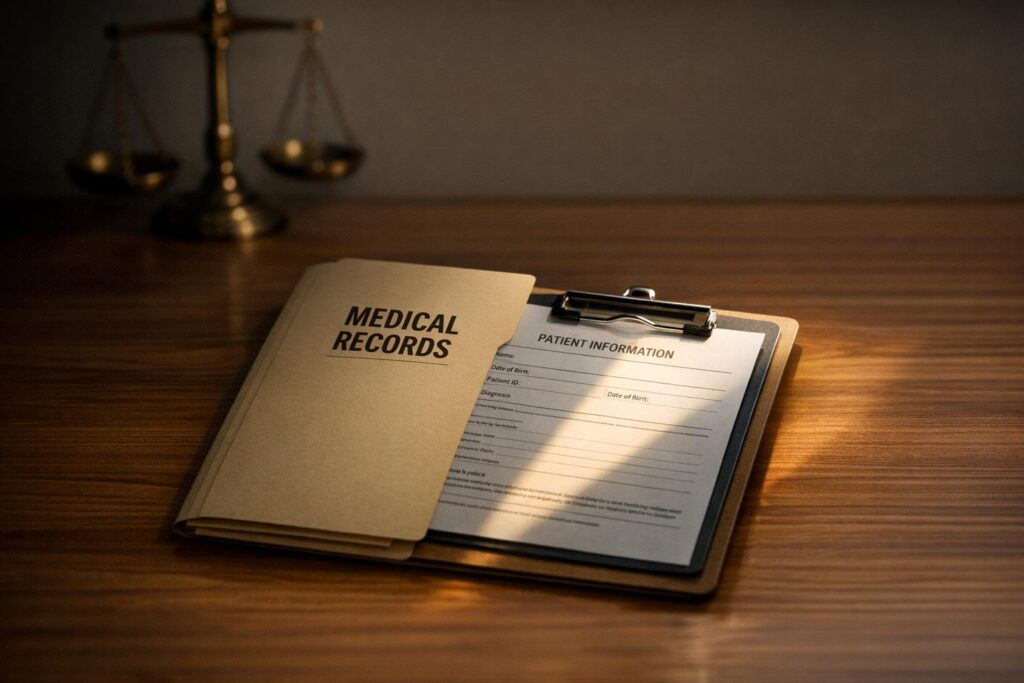
HIPAA vs. Legal Discovery in Injury Cases
When medical records are evidence, HIPAA limits disclosures to relevant PHI while discovery seeks broader access—learn how to protect privacy in injury suits.
When medical records are evidence, HIPAA limits disclosures to relevant PHI while discovery seeks broader access—learn how to protect privacy in injury suits.
Compare permanent vs. temporary disability—how benefits, duration, and impairment ratings differ, when MMI applies, and why legal help matters.
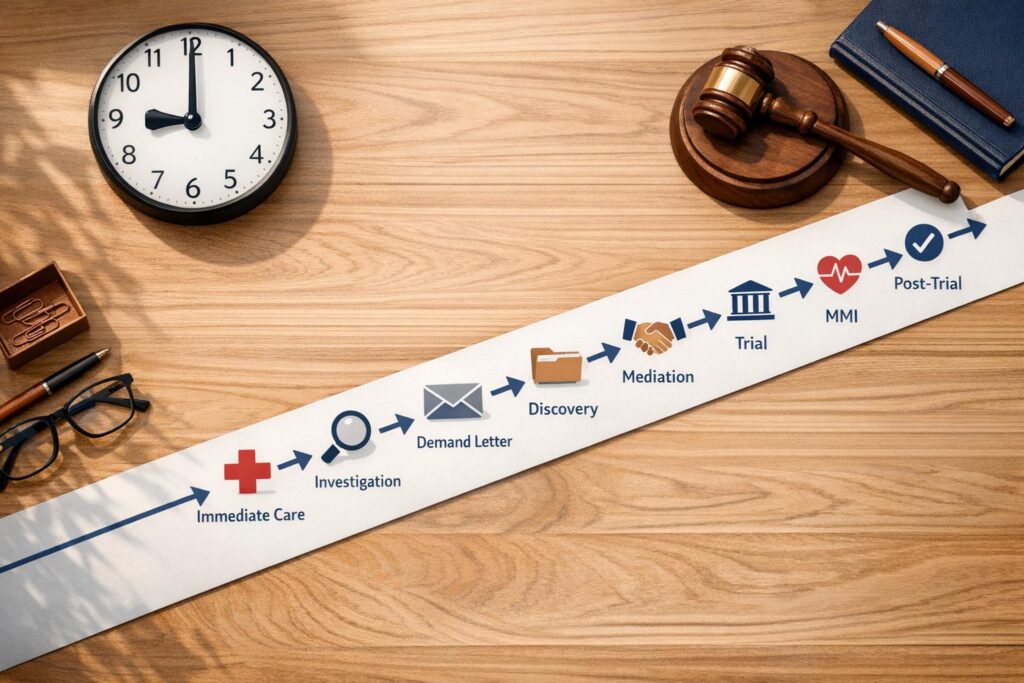
Step-by-step timeline of a personal injury case—from immediate care, investigation, and demand letters to discovery, mediation, trial, MMI, and post-trial steps.
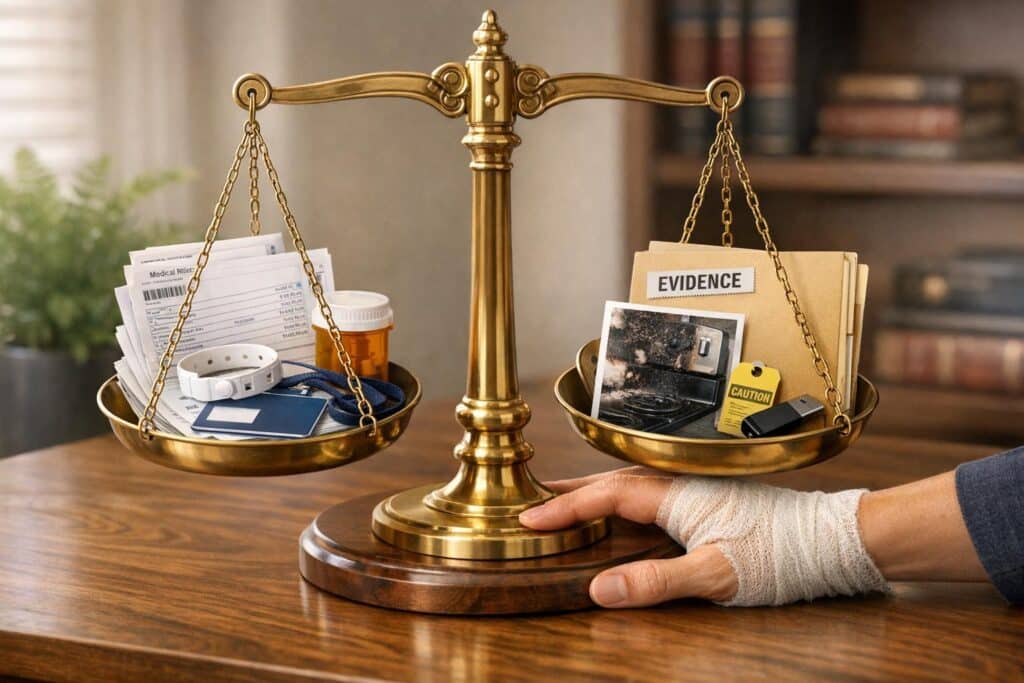
Immediate steps after limb loss, what evidence to preserve, how damages are calculated, and when to get an attorney for amputation claims.
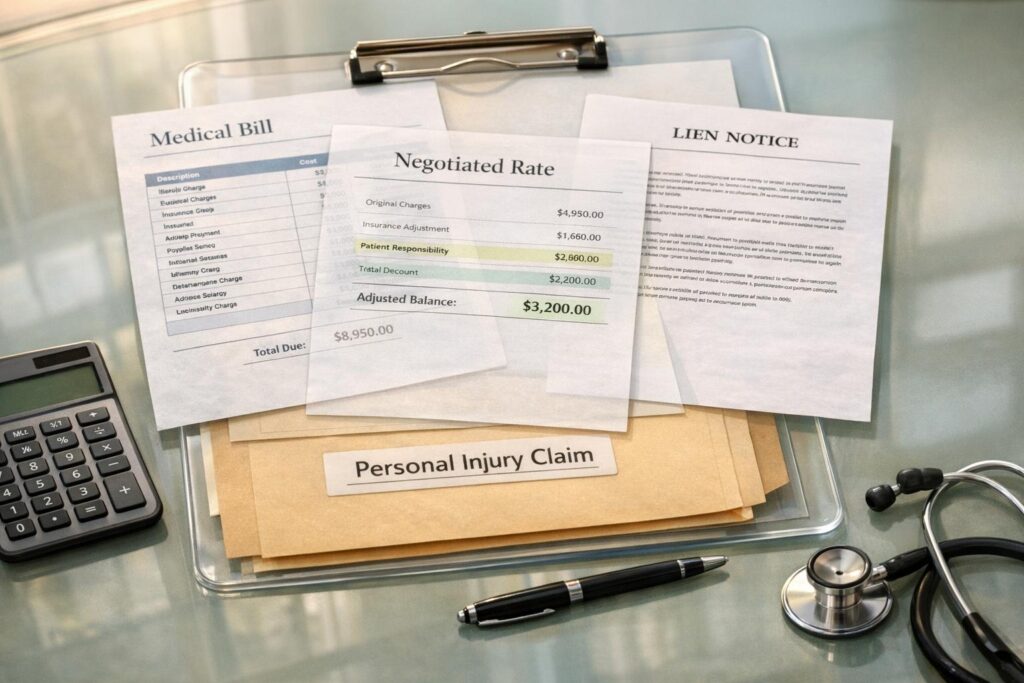
How medical bills, negotiated rates, and liens shape personal injury settlements—and why timely care, detailed records, and lien negotiation are essential to maximize recovery.
Settlement amounts depend more on burn severity, location, medical costs, lost earnings, and proven negligence than on sympathy alone.
How UM and UIM protect you when drivers have no or insufficient insurance—key differences, Utah rules, costs, and claim basics.
Avoid missed deadlines, incomplete paperwork, treatment gaps, and risky signatures when filing a personal injury claim; organize records and consult an attorney early.
How pre-existing conditions affect injury claims, the eggshell plaintiff rule, insurer tactics, and practical steps—medical evidence, expert testimony, and calculating aggravated damages.
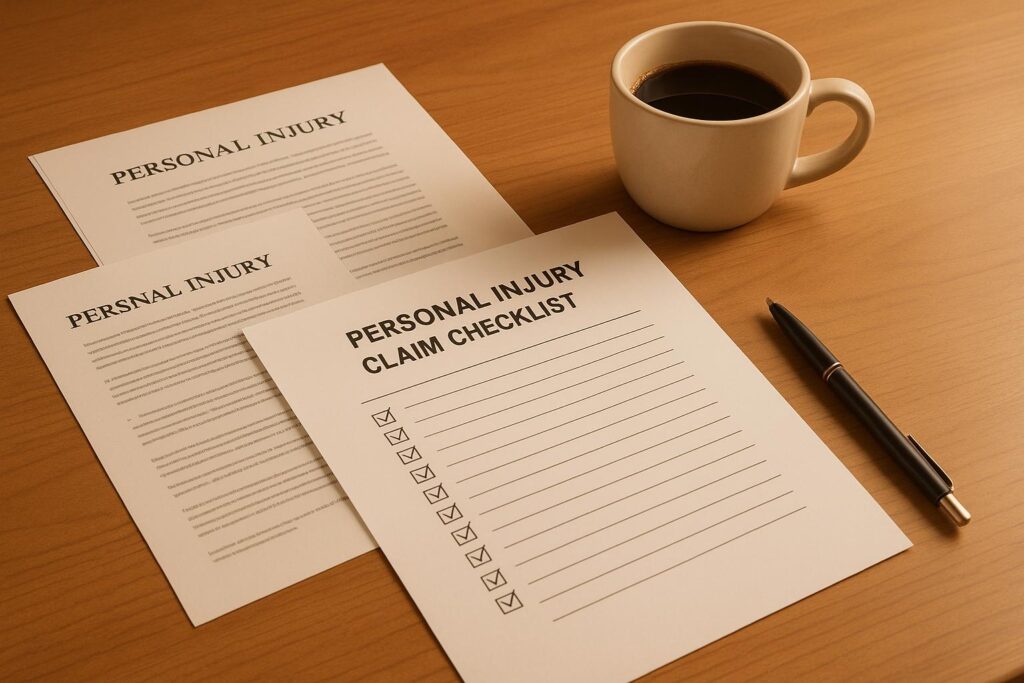
Navigate your personal injury claim with this comprehensive checklist covering evidence collection, documentation, and legal preparation.